
Research Q&A
Neux Peptide Q&A
At Neux Peptide, we recognize that researchers often have detailed questions about peptide science, handling, and compliance. Our Research Q&A page is designed to provide clear, authoritative answers to the most common inquiries. By combining scientific integrity, transparency, and practical guidance, we ensure that every customer and researcher can access trusted information to support their work.
QUESTIONS & ANSWERS
1. What are peptides?
Peptides are short chains of amino acids that play critical roles in biological functions, including signaling, metabolism, and tissue repair.
2. How are peptides used in research?
They are widely applied in biomedical studies, drug development, and molecular biology to understand protein interactions and therapeutic potential.
3. What is the difference between peptides and proteins?
Proteins are long chains of amino acids folded into complex structures, while peptides are shorter sequences with simpler functions.
4. How should peptides be stored?
Peptides should be stored in a cool, dry environment, typically at ‑20°C, to maintain stability and prevent degradation.
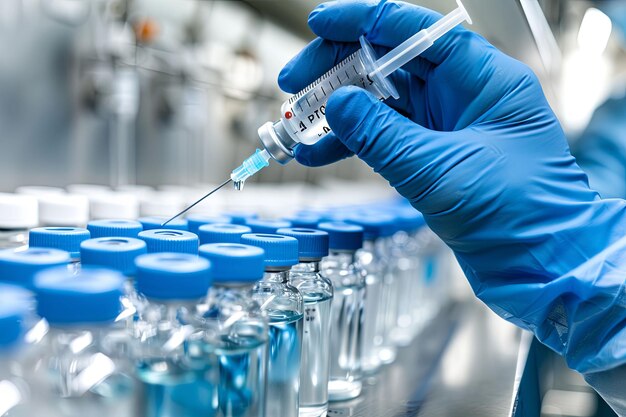
5. What is peptide reconstitution?
Reconstitution involves dissolving peptides in a suitable solvent, such as sterile water or buffer, to prepare them for laboratory use.
6. Which solvents are best for peptide reconstitution?
Sterile water, PBS, or specialized buffers are commonly used, depending on peptide solubility and experimental requirements.
7. How long can peptides remain stable after reconstitution?
Most peptides remain stable for several weeks when stored at ‑20°C, but stability varies depending on sequence and solvent.
8. Are peptides safe to handle in the lab?
Yes, when handled with proper laboratory safety protocols, including gloves, protective clothing, and sterile techniques.
9. Can peptides degrade over time?
Yes, peptides can degrade due to oxidation, hydrolysis, or improper storage. Proper handling minimizes this risk.
10. What documentation accompanies Neux Peptide products?
Each product includes verified certificates of analysis, purity reports, and compliance documentation to ensure research integrity.
11. Do peptides require special shipping conditions?
Yes, peptides are shipped in secure, temperature‑controlled packaging to maintain stability during transit.
12. How does Neux Peptide ensure product quality?
We employ rigorous quality control, advanced testing methods, and compliance with international standards to guarantee reliability.
13. Can peptides be customized for research?
Yes, custom peptide synthesis is available to meet specific research requirements, including sequence design and modifications.
14. What are peptide applications in biomedical research?
They are used in cancer studies, metabolic research, drug discovery, regenerative medicine & many More.
15. How does peptide purity affect research outcomes?
High purity ensures reproducibility and accuracy, while impurities can compromise experimental results.
16. Are peptides regulated for research use?
Yes, peptides fall under strict compliance frameworks, and Neux Peptide adheres to global regulatory standards.
17. Can peptides be shipped internationally?
Yes, Neux Peptide provides global shipping with full documentation to ensure smooth customs clearance.
18. What is the shelf life of peptides?
Unreconstituted peptides typically remain stable for 12–24 months when stored properly.
19. How can researchers verify peptide authenticity?
Authenticity is confirmed through certificates of analysis, batch testing, and compliance documentation provided with each order.
20. Why choose Neux Peptide for research peptides?
Because we combine scientific expertise, global logistics, and transparent policies to deliver trusted peptide solutions worldwide.